Introduction
When it comes to keeping your family safe and comfortable, few things are as important as maintaining a properly functioning HVAC system. In Sterling, VA, where extreme temperatures are a common occurrence, ensuring that your HVAC system is in good working order is essential. This article will provide you with valuable tips and information on how to protect your family by practicing HVAC safety in Sterling, VA.
HVAC Safety Tips: Protecting Your Family in Sterling VA
Benefits of Regular HVAC Maintenance
Regular maintenance of your HVAC system offers numerous benefits for both your family's comfort and safety. By scheduling routine maintenance appointments with a professional technician, you can:
Extend the lifespan of your HVAC system - Regular maintenance helps identify small issues before they turn into major problems, prolonging the life of your system. Improve energy efficiency - A well-maintained HVAC system operates more efficiently, reducing energy consumption and lowering utility bills. Ensure optimal indoor air quality - Regular maintenance includes cleaning or replacing air filters, which helps remove pollutants and allergens from the air. Prevent costly breakdowns - By addressing potential issues early on, regular maintenance can help prevent unexpected breakdowns and expensive repairs.Signs You Need HVAC Repair
Being aware of common signs that indicate your HVAC system requires repair is crucial for protecting your family's https://coolfactoryservices.com/about-us/ safety. Look out for the following red flags:
Unusual noises - Strange sounds like grinding, banging, or squealing could indicate a mechanical issue that needs immediate attention. Foul odors - Strong or unpleasant smells coming from your vents could be a sign of mold growth or an electrical problem. Inconsistent temperatures - If some rooms feel significantly warmer or cooler than others, it may indicate an issue with your HVAC system's airflow or thermostat. Increased energy bills - If your energy bills have suddenly spiked without any changes in usage, it could be a sign of an inefficient HVAC system that needs repair. Frequent cycling - If your HVAC system frequently turns on and off, it may be struggling to maintain the desired temperature, indicating a potential issue.Choosing the Right HVAC System
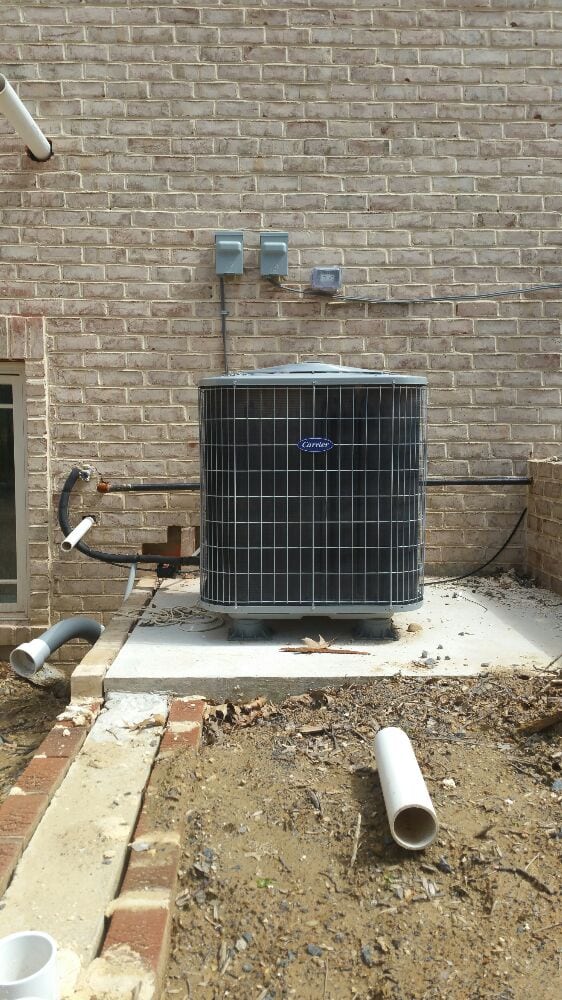
Selecting the right HVAC system for your home is essential for both comfort and safety. Consider the following factors when choosing a new HVAC system:
How to Reduce HVAC Costs
Reducing HVAC costs not only saves you money but also helps protect your family's financial well-being. Follow these tips to lower your HVAC expenses:
Regular maintenance - As mentioned earlier, scheduling regular maintenance appointments can prevent costly breakdowns and improve energy efficiency. Seal air leaks - Inspect your home for air leaks around windows, doors, and ductwork, and seal them using weatherstripping or caulk to prevent heat loss or gain. Use programmable thermostats - Programmable thermostats allow you to set specific temperatures for different times of the day, saving energy when you're away from home. Upgrade insulation - Proper insulation in walls, attics, and crawl spaces helps retain conditioned air, reducing the workload on your HVAC system. Utilize natural ventilation - Take advantage of natural airflow by opening windows and using ceiling fans to circulate air during mild weather.Common HVAC Problems
Understanding common HVAC problems can help you identify issues early on and prevent further damage. Some common problems include:
Frozen evaporator coil - This can occur due to restricted airflow, low refrigerant levels, or a malfunctioning blower motor. Clogged air filters - Dirty or clogged air filters restrict airflow, reducing the efficiency of your HVAC system and potentially causing damage. Refrigerant leaks - Leaking refrigerant not only affects cooling capacity but can also be harmful to the environment and should be addressed immediately by a professional. Faulty thermostat - A malfunctioning thermostat can lead to inconsistent temperatures and inefficient operation of your HVAC system. Ignition or pilot control problems - Gas furnaces may experience issues with ignition or pilot control, resulting in a lack of heat.Importance of Air Duct Cleaning
Regular air duct cleaning is crucial for maintaining good indoor air quality and ensuring the efficient operation of your HVAC system. Benefits of air duct cleaning include:
Removal of dust and debris - Over time, dust, pet dander, and other pollutants accumulate in your air ducts, which can reduce airflow and negatively impact indoor air quality. Prevention of mold growth - Moisture in your ductwork can lead to mold growth, which poses serious health risks. Cleaning helps eliminate mold spores and prevents future growth. Improved energy efficiency - Clean ducts allow for better airflow, reducing strain on your HVAC system and improving energy efficiency. Odor elimination - Lingering odors caused by bacteria or mold in your ductwork can be eliminated through thorough cleaning.When to Replace Your HVAC
Knowing when to replace your HVAC system is essential for ensuring the safety and comfort of your family. Consider the following factors:
Age of the system - Most HVAC systems have an average lifespan of 15-20 years. If your system is approaching or exceeding this timeframe, consider replacing it. Frequent repairs - If you find yourself constantly repairing your HVAC system, it may be more cost-effective to invest in a new one. Decreased energy efficiency - Older systems tend to be less energy-efficient, resulting in higher utility bills. Upgrading to a newer, more efficient model can save you money in the long run. Safety concerns - If your HVAC system poses safety risks such as carbon monoxide leaks or electrical issues, immediate replacement is necessary.DIY HVAC Maintenance Tips
While some maintenance tasks require professional expertise, there are several DIY tips you can follow to keep your HVAC system running smoothly:
Regularly change air filters - Clean or replace air filters every 1-3 months, depending on usage, to maintain proper airflow and prevent dust buildup. Clean condenser coils - Use a garden hose to gently clean the outdoor condenser unit's coils from dirt and debris. Keep outdoor unit clear - Ensure that no plants, debris, or obstructions are blocking the airflow around your outdoor condenser unit. Clear air vents and registers - Regularly vacuum and dust air vents and registers to prevent blockages that can hinder airflow. Check thermostat settings - Ensure that your thermostat is set correctly and functioning properly for optimal comfort and energy efficiency.
FAQs about HVAC Safety in Sterling VA
Q: How often should I schedule HVAC maintenance? A: It is recommended to schedule professional maintenance at least once a year, preferably before the start of the cooling or heating season.
Q: Can I perform HVAC repairs myself? A: It is generally not recommended to attempt HVAC repairs yourself, as it can be dangerous and may void any warranties on your system. It's best to leave repairs to trained professionals.
Q: Are there any safety precautions I should take with my HVAC system? A: Regularly check for gas leaks, ensure proper ventilation, and install carbon monoxide detectors to protect your family from potential hazards.
Q: How can I improve indoor air quality in my home? A: Along with regular HVAC maintenance, you can improve indoor air quality by using air purifiers, keeping your home clean, and avoiding smoking indoors.
Q: What should I do if I smell gas coming from my HVAC system? A: If you suspect a gas leak, immediately evacuate your home and call your local gas company or emergency services for assistance.
Q: Can I finance the installation of a new HVAC system? A: Many HVAC companies offer financing options to help make the installation of a new system more affordable. Be sure to inquire about financing options when obtaining quotes.
Conclusion
Protecting your family in Sterling, VA starts with ensuring the safety and efficiency of your HVAC system. By following these tips and practicing regular maintenance, you can create a comfortable and safe environment for your loved ones. Remember to schedule professional inspections and repairs when needed and always prioritize the well-being of your family when it comes to HVAC safety in Sterling, VA.